

Nunavut is Canada’s newest and largest territory, a vast Arctic homeland where Inuit culture, sea ice, tundra, and dramatic wildlife shape everyday life. As a Nunavut travel guide for Arctic travel Canada, this overview helps you Explore Nunavut through welcoming Nunavut communities, skilled local guides, and unforgettable experiences—from summer hiking under the midnight sun to winter auroras. Nunavut trip planning matters more here than almost anywhere: distances are enormous, weather changes fast, and most routes depend on flights plus local knowledge.
Use this Nunavut travel guide to choose where to go, when to travel, what to do, and how to prepare so your Arctic travel Canada experience is rewarding, safe, and respectful. For a practical sequence to turn those choices into an itinerary, read our step-by-step guide to planning a Nunavut trip.
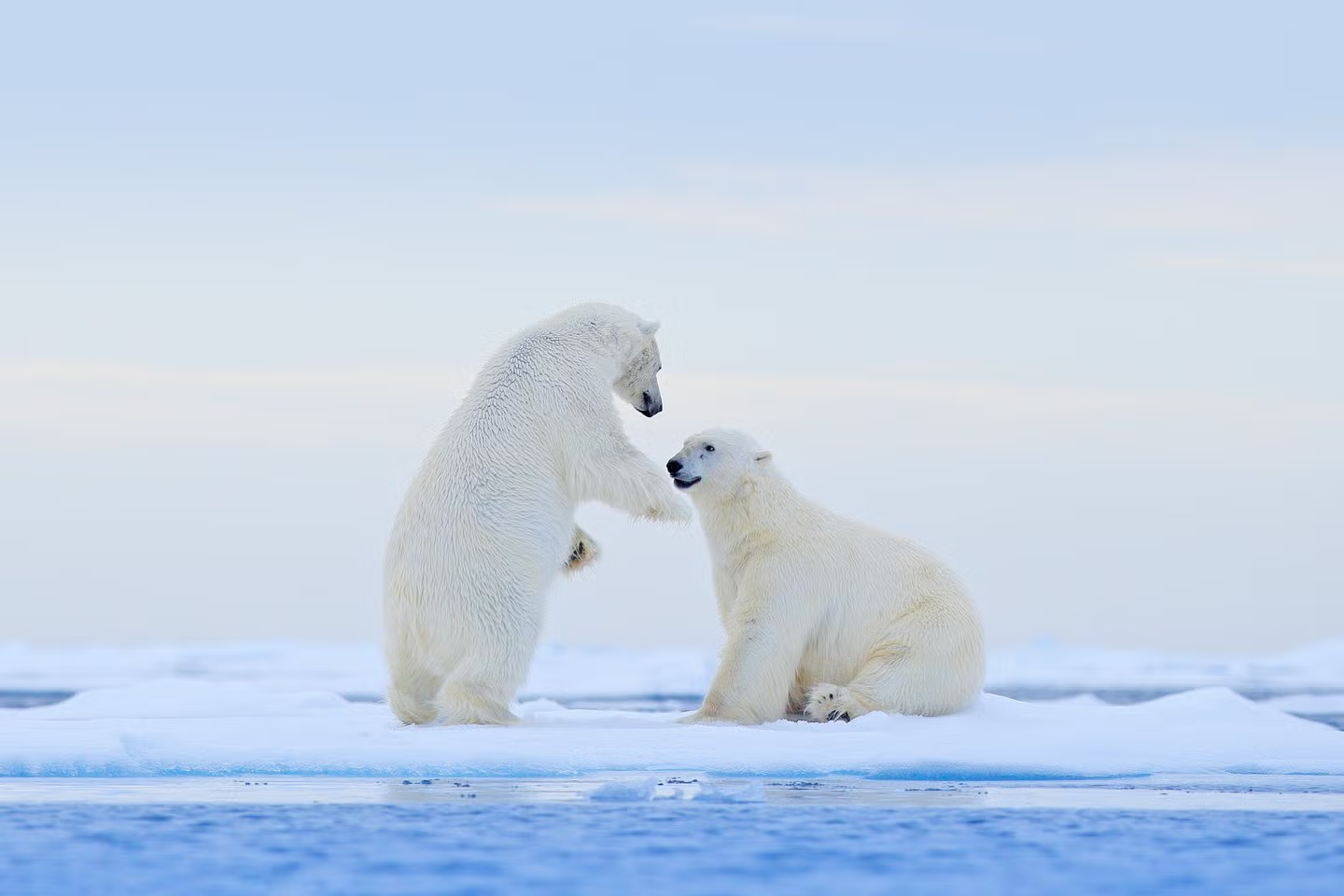
Understanding Nunavut’s Regions and Where to Base Yourself
Explore Nunavut by understanding its three main regions—Qikiqtaaluk Region, Kivalliq Region, and Kitikmeot Region—each with distinct landscapes, wildlife viewing Nunavut opportunities, and different logistics for getting to Nunavut communities. A key step in Nunavut trip planning is choosing a hub community that matches your goals, budget, and comfort level for Arctic travel Canada.
| Region | What it’s known for | Common gateways and hubs | Best fit for |
|---|---|---|---|
| Qikiqtaaluk (Baffin) | Fjords, mountains, dramatic coastlines, sea ice travel | Iqaluit, Pangnirtung, Qikiqtarjuaq | First-time visitors, hiking, cultural stays, guided wildlife trips |
| Kivalliq | Tundra, inland wildlife, strong aurora season | Rankin Inlet, Arviat | Aurora-focused winter trips, community-based experiences |
| Kitikmeot | Western Arctic feel, history, remote coastlines | Cambridge Bay, Kugluktuk | Off-the-beaten-path travel, history, expedition-style itineraries |
Iqaluit tourism makes the capital the most common starting point for getting to Nunavut thanks to flight connections, services, and tour operators. In the Qikiqtaaluk Region, Pangnirtung is a practical base for Auyuittuq National Park hiking, while Qikiqtarjuaq can be ideal for summer boating and whale watching Nunavut in iceberg-rich waters. In the Kivalliq Region, Rankin Inlet is often a straightforward hub for winter itineraries focused on auroras and community-based experiences.
When to Go: Seasons, Light, and Weather Realities
In Nunavut trip planning, there is no single “best” season—only the right season for your goals, whether that’s camping and hiking Nunavut in summer, dogsledding Nunavut in winter, or sea ice travel in spring. The key for Arctic travel Canada is matching expectations to daylight, temperature, and what can realistically be done in specific Nunavut communities and regions.
- Summer (late June to August): Long daylight, hiking and boating opportunities, and easier community travel. Expect cool temperatures and wind near the coast.
- Shoulder season (September to October): Crisp air and fall colors, but higher risk of weather delays and fewer scheduled services.
- Winter (November to March): Peak aurora season, deep cold, and travel by snowmobile where conditions allow. Daylight is limited, and storms can pause plans.
- Spring (April to early June): Longer days return, sea ice travel can be excellent, and temperatures can feel more manageable than midwinter.
Weather is the ultimate trip designer in any Nunavut travel guide. Build flexibility into your Arctic travel Canada itinerary, especially when flights are your lifeline between Nunavut communities. A buffer day can turn a weather delay into extra time for local food, Iqaluit tourism sights, or a last-minute guided outing.
Top Experiences: Culture, Wildlife, and Arctic Landscapes
Explore Nunavut best by slowing down and learning how Inuit culture connects to land, sea, and seasonal travel. Many signature activities—wildlife viewing Nunavut, boating, sea ice excursions, and cultural visits—are safest and most meaningful when arranged with community members and local outfitters as part of thoughtful Nunavut trip planning.
Community and Culture
Inuit culture is living, contemporary, and deeply tied to the land and sea across Nunavut communities in the Qikiqtaaluk Region, Kivalliq Region, and Kitikmeot Region. Visit local cultural centers and small museums when available, watch for community events, and seek out artists’ cooperatives for prints, carvings, and textiles. If you’re invited to share food or stories, accept with gratitude and curiosity—listening first is one of the best visitor practices in any Nunavut travel guide.
Wildlife Watching
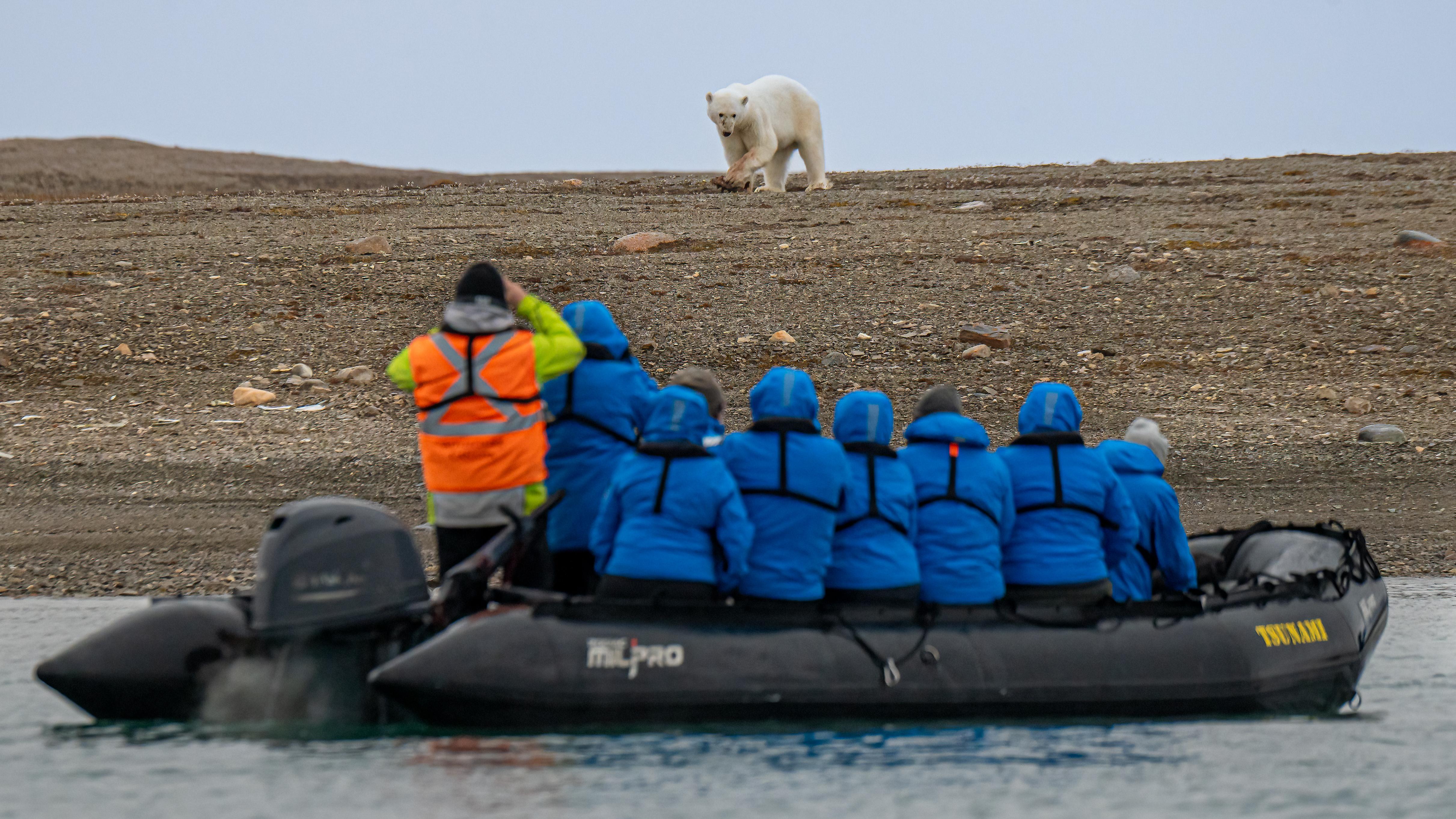
Wildlife viewing Nunavut can be extraordinary, but it requires caution and realistic expectations in Arctic travel Canada. Depending on region and season, you may see seals, whales (including opportunities for whale watching Nunavut in summer), seabirds, caribou, muskox, Arctic fox, or polar bears. Never approach wildlife on your own; hire qualified local guides for trips outside town, and follow instructions closely.
Hiking, Parks, and Time on the Land
Camping and hiking Nunavut ranges from short tundra walks near Nunavut communities to multi-day routes in national parks. Auyuittuq National Park in the Qikiqtaaluk Region is famous for big scenery and serious terrain, and it rewards careful Nunavut trip planning. Even simple outings can feel remote: there may be no marked trails, no cell service, and sudden fog, so navigation and emergency planning are essential.
Many Arctic travel Canada highlights in this Nunavut travel guide are quiet ones: wind over rock, late-night sun, or sea ice stretching to the horizon. Plan fewer “big days,” and leave room for weather, rest, and local recommendations—whether that’s a guided boat trip, a cultural visit, or seasonal activities like dogsledding Nunavut.
How to Plan Logistics: Flights, Costs, Packing, and Safety
Getting to Nunavut and moving between Nunavut communities is fundamentally different from travel in southern Canada. Transportation is mostly by air between communities, and costs reflect distance and limited capacity, so Nunavut trip planning should start with realistic budgeting for flights, accommodations, and guided excursions. Budgeting well makes your Nunavut travel guide itinerary far more enjoyable.
Getting There and Getting Around
Most travelers connect through major Canadian cities to reach Iqaluit, Rankin Inlet, or Cambridge Bay—key gateways for getting to Nunavut in the Qikiqtaaluk Region, Kivalliq Region, and Kitikmeot Region. Once in Nunavut, inter-community flights are common and weather can ripple through schedules, so book early and avoid tight connections. Inside Nunavut communities you may rely on taxis, walking, or pre-arranged pickups; outside town, travel is typically by boat in summer or snowmobile in winter with a guide, including options for dogsledding Nunavut depending on local operators and conditions.
What Things Cost
Expect higher prices for accommodations, meals, and groceries across Nunavut communities, and plan accordingly in your Nunavut trip planning budget. Tours and guides are specialized services in Arctic travel Canada, and they’re worth it for safety and access to activities like wildlife viewing Nunavut, whale watching Nunavut, and time on the land. For pairs or small groups, private guiding can become more cost-effective per person than it first appears.
Packing Essentials
Packing for Arctic travel Canada means preparing for wind, cold, and rapid weather shifts across the Qikiqtaaluk Region, Kivalliq Region, and Kitikmeot Region. In every season, layering beats a single heavy item, and this is core advice in any Nunavut travel guide. Bring medications and critical personal items in carry-on luggage, and assume replacing gear in smaller Nunavut communities may be difficult or expensive.
- Base layers that manage moisture, plus warm mid-layers
- Windproof outer shell and insulated jacket (season dependent)
- Warm hat, gloves or mitts, and spare socks
- Sturdy boots suited to wet ground or snow conditions
- Power bank and charging cables; cold reduces battery life
- Eye protection for bright snow and sun; sunscreen in spring and summer
Safety in the Arctic
Nunavut trip planning should treat safety as non-negotiable, especially beyond town limits in Arctic travel Canada. Conditions can shift quickly, and risks include cold exposure, thin ice, poor visibility, and wildlife encounters. Travel with reputable local guides for land and sea ice excursions, tell someone your plan, and respect local warnings—local knowledge saves lives and improves experiences like hunting and fishing Nunavut, wildlife viewing Nunavut, and remote travel between Nunavut communities.
Respectful Visiting: Etiquette, Photography, and Supporting Communities
Nunavut is Inuit Nunangat, and visiting well means being mindful of how your presence lands in small Nunavut communities across the Qikiqtaaluk Region, Kivalliq Region, and Kitikmeot Region. Start with patience: service timelines, shipping delays, and weather disruptions are part of daily reality in Arctic travel Canada. Be polite to staff in hotels, stores, and airports; many people are balancing multiple roles that keep Iqaluit tourism and regional visitor services running.
Ask before photographing people, homes, or sensitive sites, and treat Inuit culture with respect in every community you visit. When purchasing art, buy from recognized local sources when possible and learn the story behind what you’re taking home. Choose tours and experiences that employ local guides and respect community priorities; spending locally supports families and helps sustain services that make getting to Nunavut and traveling between Nunavut communities possible.
For a strong finish to your Nunavut travel guide itinerary, travel at a pace that fits the North. A well-planned Nunavut trip is less about racing through landmarks and more about experiencing a place where land, sea, and Inuit culture are inseparable—whether your focus is camping and hiking Nunavut, dogsledding Nunavut, whale watching Nunavut, wildlife viewing Nunavut, or guided hunting and fishing Nunavut where permitted and locally organized. If you plan thoughtfully, stay flexible, and approach with respect, Explore Nunavut can become the kind of Arctic travel Canada experience that stays with you.