
Explore the arctic - Welcome to Nunavut! |
|
Discover Canada's best kept secret... explore Nunavut. Nunavut is an exciting arctic destination that offers a pristine, raw, non-commercialized, and a truly "you and nature" experience. The Inuit people are brilliant, industrious and innovative, and have survived here for thousands of years. Now it's your turn! The variety of adventure knows no limits. Nunavut is geographically diverse - you can visit the ice flows, tame the rapids, camp by tranquil lakes, cross-country ski for days, hunt and fish, try dog-sledding, or go extreme mountain hiking. Nunavut has three diverse and exciting regions to discover: Kivalliq, Kitikmeot, Qikiqtaaluk. Start exploring today, and discover Canada's best kept secret! |
  |
Understanding Nunavut before you arrive
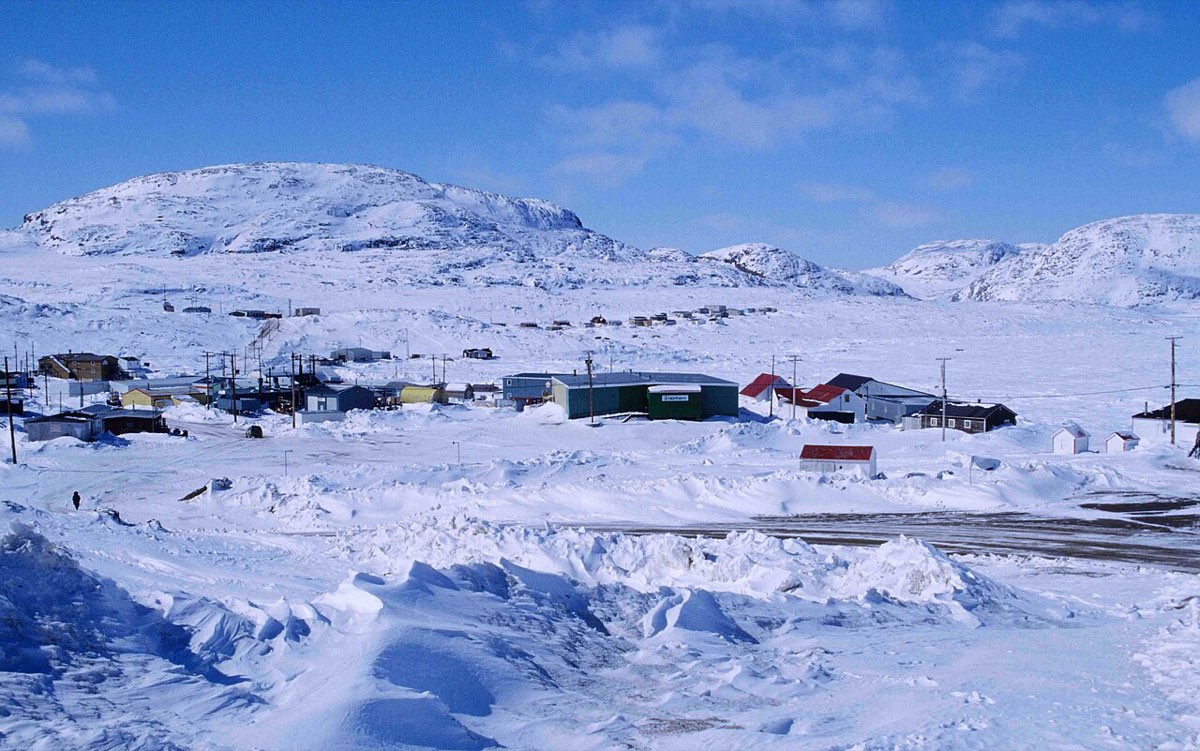
Most people picture Nunavut as ice, polar bears and endless tundra, and all of that is real. What surprises many first-time visitors is how much the trip is shaped by people rather than scenery. Nunavut is a homeland as much as a destination: around 85 percent of its residents are Inuit, and the communities you fly into are working towns with schools, co-ops, churches, arenas and families who have lived on this land for generations. Knowing a little about how the territory came to be and how daily life works makes every conversation, purchase and photo stop go more smoothly.
This page and the guide below it are written to help you get that context first. The practical planning steps follow further down; here we focus on the background that rarely fits into a flight schedule.
A young territory with a long history
Nunavut, meaning "our land" in Inuktitut, became a separate territory on April 1, 1999, after it was split from the Northwest Territories. Its creation followed the Nunavut Land Claims Agreement of 1993, one of the largest land claim settlements in Canadian history. Inuit ancestors, however, have lived across this region for roughly a thousand years, and earlier Arctic peoples long before that. Archaeological sites, old tent rings and stone caches are common along the coast, and they are protected: look, photograph and leave them exactly as they are.
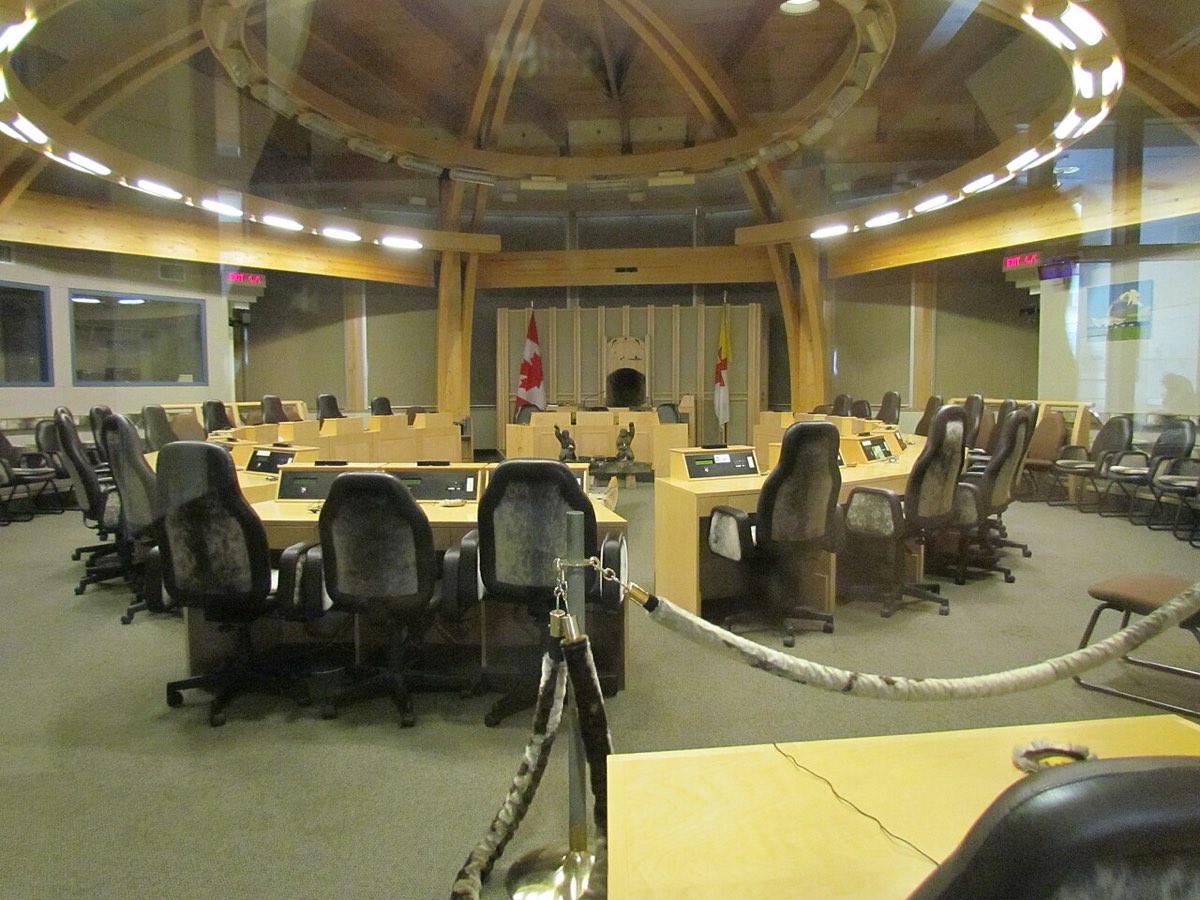
The territorial government works in a way that is unusual in Canada. The Legislative Assembly in Iqaluit runs on consensus government, without political parties, and members choose the premier and cabinet from among themselves. The building is open to visitors, and its chamber is a good place to see how Inuit design and modern institutions sit side by side.
Language, food and everyday etiquette
Inuktut, which covers Inuktitut and Inuinnaqtun, is an official language alongside English and French. You will see Inuktitut syllabics on signs, store shelves and government buildings. Learning a few words goes a long way: ai or ullaakkut for hello or good morning, and qujannamiik for thank you. In the Kitikmeot region, where Inuinnaqtun is spoken, thank you is quana.
Country food such as caribou, Arctic char, seal and muktuk remains central to family and community life. If you are offered some, accepting a small taste is a gesture of respect. Groceries arrive by air or by the summer sealift, so prices in community stores are much higher than in the south; bring snacks and specialty items from home where your baggage allowance permits.
Always ask before photographing people, homes, hunters with their catch or children. Many residents are happy to say yes, but asking is expected. When you are invited into a home, take your boots off at the door.
Art you can take home
Nunavut has one of the most respected art traditions in Canada. Kinngait has produced an annual print collection since 1959, and carvers in many communities work in serpentine, marble, bone and antler. Buying directly from artists, from local co-operatives or from established galleries puts money back into the community and gives you a clear story about who made your piece. Check that carvings include the artist's name, and be aware that items made from marine mammals, such as walrus ivory or narwhal tusk, may need export or import permits depending on where you live.
Seasons follow the land, not the calendar
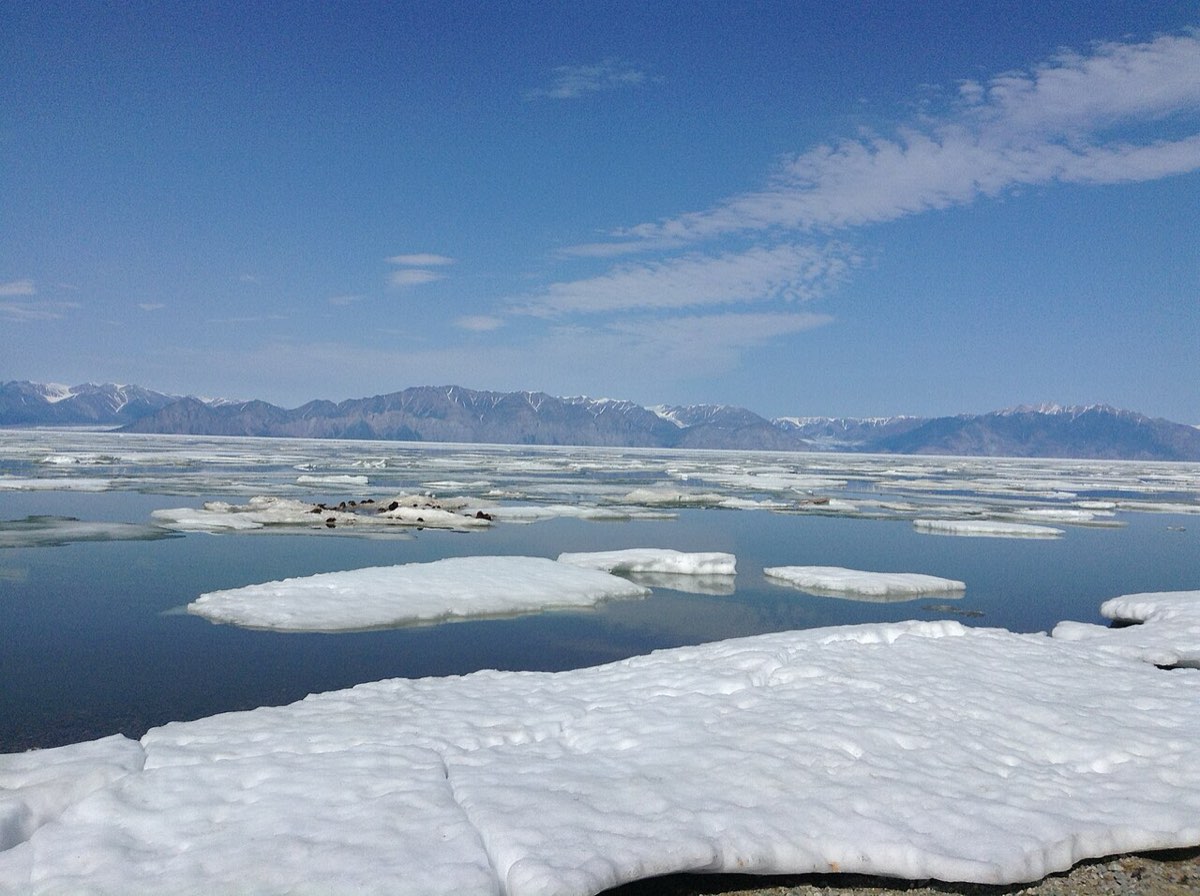
Life in Nunavut moves with the ice. Spring festivals, floe-edge trips and long days arrive between April and June, while open water, boating and wildlife viewing follow in July and August. Community events such as Nunavut Day on July 9 are a good chance to see games, music and traditional skills. For more background on the territory read our Nunavut information page, and browse the activities section once you know which season suits you.
Below you will find a step-by-step trip planning guide, from choosing a region to booking flights and travelling with local outfitters.
Planning a Trip to Nunavut: Where to Start
Nunavut covers about a fifth of Canada, yet it has only 25 communities and no road that links them to the south. That scale is the reason a good trip starts with a few clear choices rather than a long wish list. The notes below walk through those choices in the order most travellers make them.
1. Choose one region first
The territory is split into three regions, and each feels different. Qikiqtaaluk (Baffin Island and the High Arctic) has the capital, Iqaluit, plus the fjords and peaks around Pangnirtung and Pond Inlet. Kivalliq, on the west coast of Hudson Bay, is known for tundra, caribou and the fall polar bear migration. Kitikmeot follows the Northwest Passage coast around Cambridge Bay and Gjoa Haven. A first visit usually works best in one region, with two or three communities at most.

2. Plan flights before anything else
Every community is fly-in. Most visitors reach Iqaluit from Ottawa or Montreal, Rankin Inlet from Winnipeg, and Cambridge Bay from Yellowknife, then continue on smaller planes. Fares are high and Arctic weather can hold flights for a day or more, so book the air legs first and keep a spare day at each end. Our Getting There page lists the main routes.

3. Match the season to what you want to see
Late spring brings long days, solid sea ice and the best dog-sledding. July and August offer the midnight sun, open water, hiking in Auyuittuq National Park and boat trips to see whales. Fall is polar bear season on the Hudson Bay coast, while the dark months suit aurora watching. Our article on wildlife and midnight light explains each season in more detail.


4. Travel with local guides and respect
Book wildlife viewing, floe-edge trips and backcountry travel through licensed local outfitters, which you can find on each community's tourism page. Ask before photographing people or homes, buy carvings and prints from the artists or co-ops, and bring cash, because some communities have no bank. Find more ideas on our activities page, or read how to plan a first trip before you book.

Nunavut Travel FAQ
Do I need a passport to visit Nunavut?
Nunavut is part of Canada, so Canadians travelling within the country only need the ID their airline asks for. Visitors from other countries need the same documents they would need for any trip to Canada, such as a passport and an eTA or visa.
How do I get to Nunavut?
By air. No roads or railways reach the communities, so most travellers fly to Iqaluit from Ottawa or Montreal, to Rankin Inlet from Winnipeg, or to Cambridge Bay from Yellowknife, and then connect on regional flights. See the Getting There page for details.
When is the best time to visit Nunavut?
It depends on what you want to see. Spring is best for dog-sledding and floe-edge trips, summer for the midnight sun, hiking and boating, fall for polar bears near Hudson Bay, and winter for northern lights. Spring and summer are the easiest seasons for a first visit.
Can I see polar bears in Nunavut?
Yes, but only with a licensed local guide. The Kivalliq coast of Hudson Bay is known for polar bears in the fall, and spring floe-edge trips from communities like Pond Inlet and Arctic Bay can also bring sightings.
Is travel in Nunavut expensive?
Yes. Flights are the biggest cost, and food and supplies cost much more than in southern Canada because almost everything is flown or shipped in. Bring a credit card and some cash, since banking services are limited in many communities.
Will I be able to communicate in English?
Mostly, yes. Inuktitut, Inuinnaqtun, English and French are all official languages, and English is widely spoken. Learning a few local words, such as "thank you", is always appreciated.
More answers on banking, health care, internet and alcohol rules are on our full FAQ page.